
SOUTH SOUTH THINK TANK
Institutional Hybridity
Curated by The Showroom, London
Convened by Director Elvira Dyangani Ose
Think Tank was part of the inaugural event SOUTH SOUTH VEZA which took place from 23 February – 7 March 2021. Explore the recorded conversations below.
What does it mean to nurture a particular arts ecology? What does it take, from the inception of an idea – and its resolution in terms of a form or an experience – to its encounter with audiences and critics? What is at stake for artists, the artistic community, and members of the audience, both neophytes and aficionados alike?
In recent years, institutions have attempted to comply with neoliberal financial models of sustainability through strategies more creative than ever: distributing untested ideas and discourses; implementing numerous educational programmes claiming radical pedagogies and researches; testing idiosyncrasies through unexplored collaborative endeavours; decolonising structures and programming; supporting the production of small or large-scale commissions of emergent artists; and stimulating the proliferation of other roles, tasks, and methodologies within the labouring structure in the arts to avoid exhaustion or failure.
Such degree of inventiveness has at its core the need to address context more specifically, whilst offering a degree of relevance ensuring agency for international circulation and interest-holding. How do economic imperative, artistic production and distribution, and an ethical, cultural engagement all intertwine?
This first edition of the SOUTH SOUTH Think Tank aimed to explore strategies and methodologies that various cultural agents around the globe – particularly in its South, or counter-cultural platforms in its North – are considering to strike a balance that is sustainable to their local environments, as well of interest globally. Participants brought expertise through the transdisciplinary aspects of their practices that transcend any specific frameworks. The purpose of this Think Tank was not necessarily to produce alternative focuses or centres to current dominants in the art world as seen from the South. Instead, it sought to offer a look through the myriad of connections and rhizomatic possibilities conceded to such Southernness, as a conceptual paradigm and as the catalyst for a critical and honest engagement to some of the most pressing questions in the field.









KEYNOTE CONVERSATIONS
This collection of in-depth keynote conversations addressed some of the overarching questions of this Think Tank. How do institutions operate? In our mind, their institutions evolve as spaces which operate beyond the time and place of a particular artistic experience, bringing together all sorts of forms of knowledge and creative practices. All of them of an institutional nature, where hybridity can thrive. If that is certain, what is then a hybrid institution?

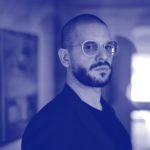
William Kentridge (born Johannesburg, South Africa, 1955) is internationally acclaimed for his drawings, films, theatre and opera productions.[ more=”Read More” less=”Read Less”]
His method combines drawing, writing, film, performance, music, theatre, and collaborative practices to create works of art that are grounded in politics, science, literature and history, yet maintaining a space for contradiction and uncertainty.
Kentridge’s work has been seen in museums and galleries around the world since the 1990s, including the Museum of Modern Art in New York, the Albertina Museum in Vienna, Musée du Louvre in Paris, Whitechapel Gallery in London, Louisiana Museum in Copenhagen, the Reina Sofia museum in Madrid, the Kunstmuseum in Basel and Zeitz MOCAA and the Norval Foundation in Cape Town. He has participated a number of times in Documenta in Kassel (2012, 2002,1997) and the Venice Biennale (2015, 2013, 2005, 1999 and 1993).
Kentridge’s theatrical productions, performed in theatres and at festivals across the globe include Refuse the Hour, Winterreise, Paper Music, The Head & the Load, Ursonate and Waiting for the Sibyl and in collaboration with the Handspring Puppet Company, Ubu & the Truth Commission, Faustus in Africa!, Il Ritorno d’Ulisse, and Woyzeck on the Highveld.
In 2016 Kentridge founded the Centre for the Less Good Idea in Johannesburg: a space for responsive thinking and making through experimental, collaborative and cross-disciplinary arts practices. The Centre hosts an ongoing programme of workshops, public performances and mentorship activities.
Image of William Kentridge by Norbert Miguletz [/]
KEYNOTE CONVERSATION WITH WILLIAM KENTRIDGE
The Centre for the Less Good Idea, South Africa
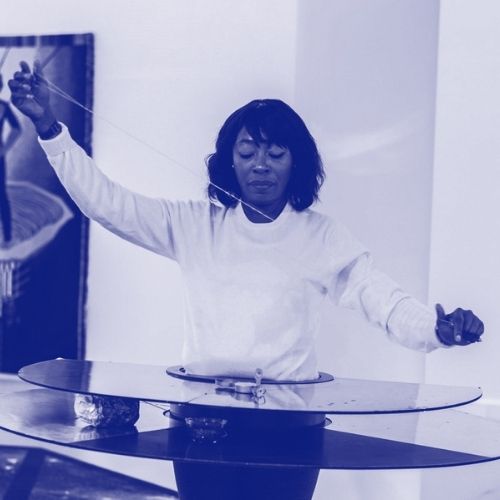
Otobong Nkanga’s drawings, installations, photographs, sculptures and performances examine the social and topographical relationship with our everyday environment.[ more=”Read More” less=”Read Less”]By exploring the notion of land as a place of non-belonging, Nkanga provides an alternative meaning to the social ideas of identity. Paradoxically, she brings to light the memories and historical impacts provoked by humans and nature. She lays out the inherent complexities of resources like soil and earth and their potential values in order to provoke narratives and stories connected to land.
Otobong Nkanga’s Carved to Flow project (Documenta 14) and Foundation was conceived as a support structure actively embedded in the social sphere. Operating with the proceeds from the sales of the O8 Black Stone soaps, the Foundation (www.carvedtoflow.com) will realise its founding ambition to achieve self-sustenance. The Carved to Flow Foundation will support the activities of two spaces it has set up (in Athens and Nigeria) which will serve as bases for research and exchange on material entanglements, structured around exhibitions, workshops, and events. In parallel to its activities in Athens and Nigeria, the Foundation will contribute to foreign initiatives spearheaded by people in its network. [/]
KEYNOTE CONVERSATION WITH OTOBONG NKANGA
Carved to Flow, Greece

CAMP is a collaborative studio founded in Bombay in 2007. [ more=”Read More” less=”Read Less”]It has been producing fundamental new work in film and video, electronic media, and public art forms, in a practice characterised by a hand-dirtying, non-alienated relation to technology. CAMP’s projects have entered many modern social and technical assemblies: Energy, communication, transport and surveillance systems, ports, ships, archives – things much larger than itself. These are shown as unstable, leaky, and contestable “technology”, in the ultimate sense of not having a fixed-function or destiny, making them both a medium and stage for artistic activity.
From their home base in Mumbai, they co-host the online archives pad.ma (est. 2008) and indiancine.ma (est. 2013) and run a rooftop cinema for the past 14 years.
CAMP’s artworks have been exhibited worldwide, including recent solos at the Argos Center for Art and Media, Brussels, and the De Appel Gallery, Amsterdam (2019); at Skulptur Projekte Münster (2017), Documenta 13 (2012) and Documenta 14 film program (2017), in the streets and markets of Bangalore, San Jose, Dakar, Mexico City, Jerusalem, Kolkata, Kabul, Delhi, Ljubljana and Bombay; in the biennials of Shanghai, Sharjah, Gwangju, Taipei, Singapore, Liverpool, Chicago, Lahore and Kochi-Muziris; at film platforms like the BFI London Film Festival, Viennale, FID Marseille, Flaherty Seminar and the Anthology Film Archives, and in art institutions such as Khoj, Sarai-CSDS, KNMA, Lalit Kala Akademi and NGMA New Delhi, Dr Bhau Daji Lad Museum, Bombay, MoMA, New Museum, Queens Museum and e-flux New York, Tate Modern, Serpentine Galleries, and Gasworks London, HKW Berlin, Ars Electronica, Linz, MoMA Warsaw, Ashkal Alwan Beirut, Palestinian Museum, Birzeit to name a few. In October 2020 they were awarded the 7th Nam June Paik Centre Prize.[/]
KEYNOTE CONVERSATION WITH SHAINA ANAND & ASHOK SUKUMARAN
CAMP, India

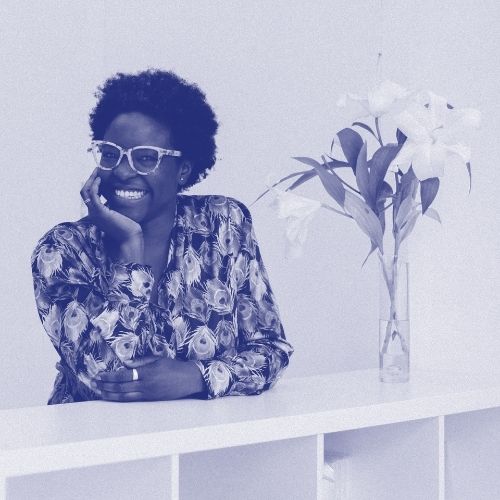
Kader Attia is an artist and activist, who grew up in both Algeria and the suburbs of Paris. [ more=”Read More” less=”Read Less”]He uses this experience of living as a part of two cultures as a starting point to develop a dynamic practice that reflects on aesthetics and ethics of different cultures. He takes a poetic and symbolic approach to exploring the wide-ranging repercussions of Western cultural hegemony and colonialism on non-Western cultures, investigating identity politics of historical and colonial eras, from Tradition to Modernity, in the light of our globalized world. In 2016 he founded La Colonie in Paris, a space for “living-knowledge” and “knowledge-sharing”.
Photograph of Kader Attia by Camille Millerand[/]
KEYNOTE CONVERSATION WITH KADER ATTIA
La Colonie, France
PANEL DISCUSSIONS
FOR WHOM IS ALL OF THIS FOR?
Prateek Raja & Priyanka Raja (Experimenter, India)
Kwasi Ohene-Ayeh (blaxTARLINES,Ghana)
Pablo Guardiola (Beta-Local, Puerto Rico)
Moderator: Fernanda Brenner (Pivó, Brazil)
Participating organisations in this panel hold themselves to work in non-hierarchical structures, when it comes to addressing their audiences. [ more=”Read More” less=”Read Less”]This session sought to address, among other issues: Who is the ‘WE’ each project invokes? How do we build structures around specific contexts, audiences, their desires and goals? How do we galvanise art and non-art audiences to engage in a set of ideas or commitments?
Moreover, if the ultimate goal is to support a democratic artistic experience, how does participation work and thrive? What roles do authorship and agency play in space-making and activating subjectivities?[/]
RADICAL PEDAGOGIES: WHERE IS THERE TO LEARN?
Stefan Benchoam (NuMu, Guatemala)
Ernesto Neto (A Gentil Carioca, Brazil)
Marie Hélène Pereira (RAW Material Company, Senegal)
Moderator: Emma Wolukau- Wanambwa (Artist, UK)
Approaches of radical pedagogy have enduringly been linked to processes of unlearning, co-operation and critical thinking, often setting up frameworks in which the receiver is not a passive recipient, but rather an active contributor.[ more=”Read More” less=”Read Less”]Transdisciplinary experimentation, collaborative practices and processes of reparation are all key to comprehending decolonial structures of learning.
This panel addressed the questions: how to empower epistemologies that have been —and times continue to be— in the margins? How do we overcome traditional, and at times, piramidal forms of education?[/]
PRINTED AND OTHER FLUID MATTERS
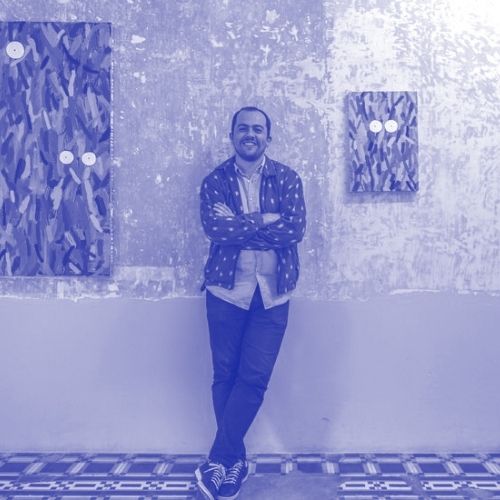
Nontsikelelo Mutiti (Black Chalk & Co, Zimbabwe)
Dorothée Dupuis (Terremoto, Mexico)
Jamal Nxedlana (Bubblegum Club, South Africa)
Moderator: Skye Arundhati Thomas (The White Review, UK)
In recent decades, all-encompassing platforms of knowledge and popular experience have expanded from the printed format to more fluid structures. [ more=”Read More” less=”Read Less”]Through dynamic and thought-provoking methods of documentation, we are increasingly communicating in spaces that bring together multidisciplinary features, build broader audiences and hold space for first-time public appearances. This session addressed the myriad of ways in which projects are creatively making space for multiple voices, ideas and layers in archival platforms.
By exploring these new strategies, this session asked: how do we continue expanding the limitations of materials – print, web, and beyond – to allow for nuanced discursive and digital possibilities?[/]

NEW INSTITUTIONALISATION & NEOLIBERAL FRAMEWORKS: SHALL WE STOP PRODUCING ALTOGETHER?
Gabi Ngcobo (Nothing Gets Organised, South Africa)
Yaiza Hernández Velázquez (Visual Cultures, Goldsmiths, UK)
Max Jorge Hinderer Cruz (Philosopher and Curator, Bolivia)
Moderator: Elvira Dyangani Ose (The Showroom, UK)
Whilst acknowledging the rhetorical nature of the question ahead of us, one can’t help but wonder if it holds some truth.[ more=”Read More” less=”Read Less”] How should institutions produce in view of the unbearable feeling that simply going “back to normal” won’t do? Do institutions have to consider not only a Post-COVID reality to operate, but also an institutional model that is perhaps obsolete? What are the challenges we are facing?
Participants in this panel helped us to understand what critical aspects of “New Institutionalisation” means today and what are possible strategies, methodologies and, let’s admit, informal ploys, that institutions have at their disposal to go ahead with their programmes.[/]
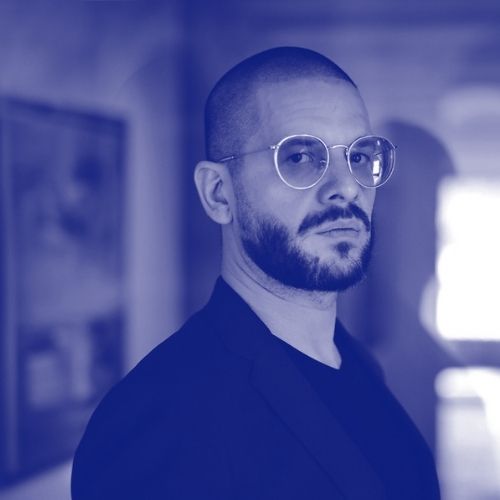
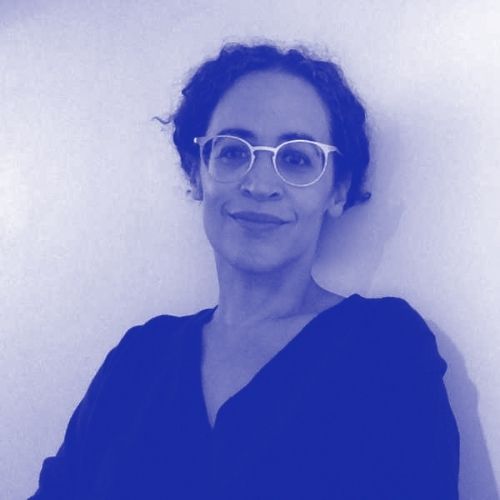
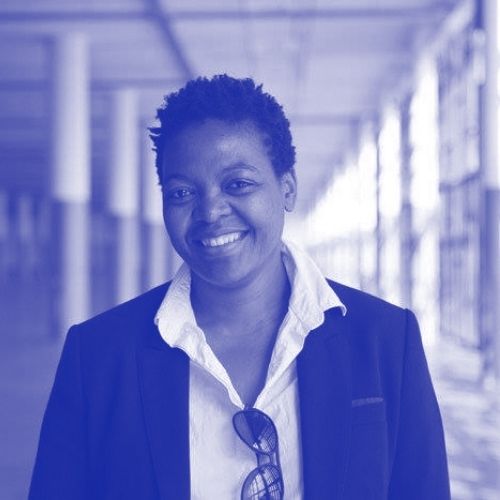
A collaboration between SOUTH SOUTH and The Showroom, London, Institutional Hybridity was a talks programme convened by The Showroom Director Elvira Dyangani Ose. This Think Tank aimed to explore strategies and methodologies that various cultural agents around the globe – particularly in its South, or counter-cultural platforms in its North – are considering to strike a balance that is sustainable to their local environments, as well of interest globally. Participants brought expertise through the transdisciplinary aspects of their practices that transcend any specific frameworks. This conversation series sought to offer a look through the myriad of connections and rhizomatic possibilities conceded to such Southernness, as a conceptual paradigm and as the catalyst for a critical and honest engagement to some of the most pressing questions in the field.
Elvira Dyangani Ose is Director of The Showroom, London. She is affiliated to the Department of Visual Cultures at Goldsmiths and the Thought Council at the Fondazione Prada.
Institutional Hybridity was curated by The Showroom, London with support by The Showroom Curator Katherine Finerty, and SOUTH SOUTH content managers Christa Dee and Lara Koseff.